If your garage in Woodinville, WA is louder than it should be, this garage door repair noise reduction solutions guide will help you identify fixes that make a difference. Homeowners in Woodinville know that wet winters and temperature swings can aggravate noisy hardware; this article covers practical, residential service options and DIY checks before you call a pro.
Why a noisy garage door happens
Noise often signals worn or misaligned parts. Common causes include worn rollers, dry hinges, weak springs, and an aging opener. Regular garage door repair inspections can reveal the root cause before damage spreads to tracks, panels, or the opener.
Weather and materials matter in Woodinville, WA
Our Pacific Northwest climate contributes to corrosion and stiffness. If your garage doors were installed without weather-rated hardware or insulation, cold and moisture make metal creak. A targeted garage door repair in WA will assess whether rollers, springs, or seals need weather-resistant upgrades.
Noise reduction solutions you can try
Below are cost-effective steps to reduce clatter, hum, and rattle in most residential garage doors. Use these in combination for best results.
- Inspect and tighten hardware: Loose bolts and brackets transmit vibration. Tighten hinges, track brackets, and mountings. This simple step often cuts noise dramatically during a routine garage door repair visit.
- Lubricate moving parts: Apply a silicone or lithium-based lubricant to rollers, hinges, springs, and the opener rail. Avoid heavy greases on nylon rollers—use lubricant recommended for garage doors.
- Upgrade rollers: Replace worn steel rollers with nylon or precision sealed bearings to reduce friction and squeal. Many residential service technicians recommend this as a top upgrade during a garage door repair.
- Check the opener: Modern belt-drive openers are quieter than chain drives. Swapping a noisy chain opener for a belt or screw model is a higher-cost option but delivers noticeable silence and smoother operation.
- Replace or tune springs: Worn torsion springs cause uneven motion and extra strain on the opener and rollers. Correct spring tension during a garage door repair session stabilizes movement and cuts noise.
- Add acoustic weatherstripping: Seals along the edges and bottom reduce wind-induced flapping and close small gaps that amplify sound. This is also a smart home improvement for energy efficiency.
- Insulate panels: Insulation reduces airborne noise transfer and stiffens panels so they don’t vibrate as much. Insulated doors are a common recommendation in our garage door repair WA noise reduction solutions guide.
When to call professional garage door repair
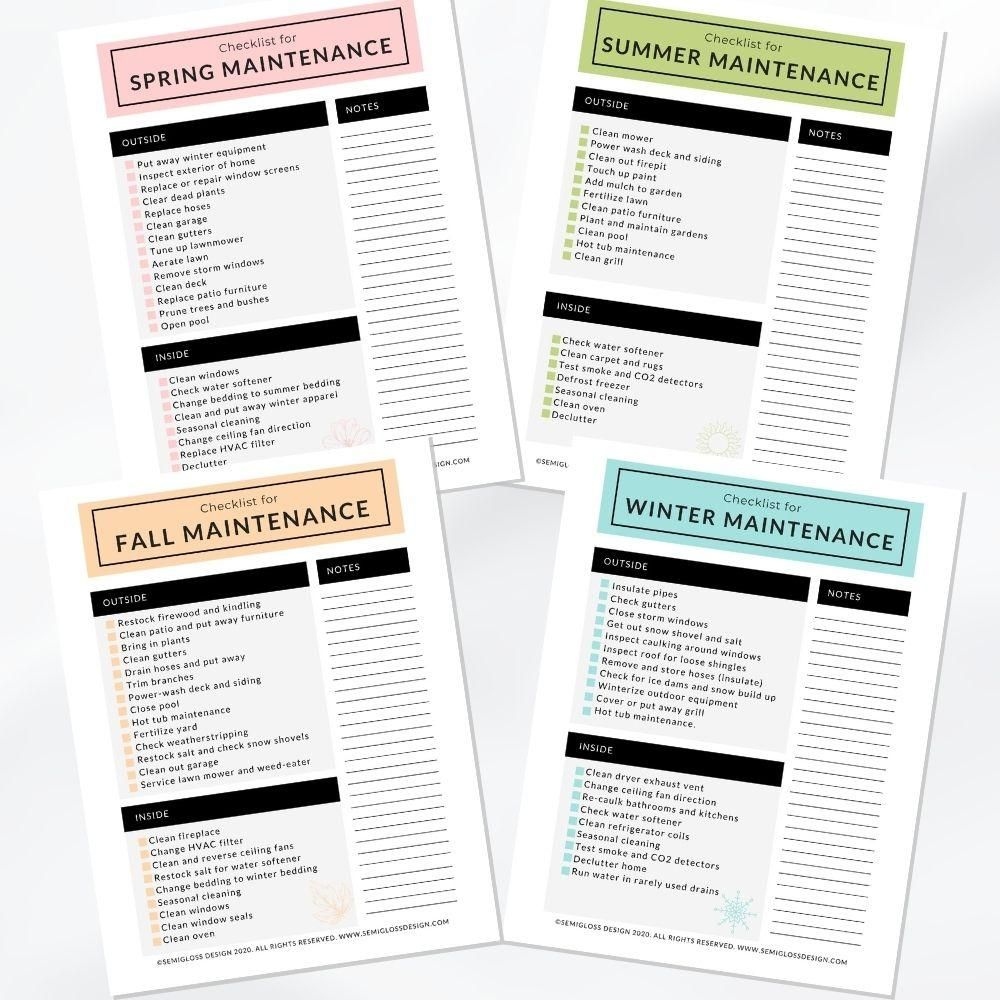
If tightening and lubrication don’t help, or if you see frayed cables, broken springs, or bent tracks, call a trained technician. Professional garage door repair includes safe spring replacement, track realignment, and diagnostic testing of the opener. For more on common problems and fixes, check our blog for step-by-step posts and seasonal maintenance checklists.
Choosing the right upgrades for a quieter garage
Not all upgrades are necessary for every home. Assess your priorities—cost, noise level, and long-term durability—when planning work. Below are options sorted by impact and typical lifespan.
Low-cost, high-impact
- Lubrication and hardware tightening — immediate improvement, minimal cost.
- New nylon rollers — moderate cost, quieter for 5–10 years.
- Weatherstripping and threshold seals — reduces drafts and rattles.
Moderate investment
- Opener tune-up or conversion from chain to belt drive — noticeable noise reduction and smoother operation.
- Spring replacement with correctly rated torsion springs — extends life of the system.
- Panel insulation — improves sound dampening and energy performance.
Higher-cost solutions
- Full door replacement with insulated, low-VOC panels — best long-term noise control and curb appeal.
- Professional isolation mounts and floor cushioning for heavy garage equipment—useful when garage houses noisy tools or generators.
Maintenance plan and timeline for Woodinville homeowners
A regular maintenance routine prevents most noise issues and prolongs service life. For typical residential service, follow these intervals:
- Monthly: Visual check of rollers, hinges, and weatherstripping; listen for new sounds.
- Every 6 months: Lubricate moving parts and test auto-reverse safety features.
- Every 3–5 years: Inspect springs, cables, and opener condition; schedule professional garage door repair for adjustments or replacements.
If you prefer a technician to manage upkeep, view our available options and service plans on the services page. Regular checks reduce emergency calls and help budget for necessary home improvement projects.
Preparing for a professional visit
To get the most from a service call, prepare this information ahead of the appointment:
- Door type and approximate age
- Description of noises (grinding, squeal, thud, hum) and when they occur
- Any recent weather events or impacts to the door
Technicians can often give an on-site estimate and a timeline. Many common noise fixes are completed in 1–3 hours depending on parts needed; full replacements take longer. To schedule or ask for a prompt estimate, reach out using our contact page or call directly.
Prefer to speak now? Use our contact form at https://garagedoors-woodinville.com/contact to request an inspection or phone estimate.
Final checklist: quieting your door this weekend
- Inspect and tighten loose hardware
- Lubricate hinges, rollers, and springs with recommended products
- Swap worn steel rollers for nylon if you hear frequent squeaks
- Test opener for smooth travel; note chain vs belt
- Seal gaps and consider insulating old panels
Many homeowners combine a DIY checklist with annual professional garage door repair to keep noise low and safety high. If a fix feels beyond your skill (springs or cable work), stop and call a trained technician.
Frequently Asked Questions
Q: Does Woodinville weather make garage doors noisier?
A: Yes. Moisture and temperature swings in Woodinville, WA stiffen metal parts and accelerate wear. Regular lubrication and weather-rated hardware reduce weather-related noise.
Q: How long does a noise-reduction garage door repair typically take?
A: Basic fixes—tightening, lubrication, and roller replacement—often take 1–3 hours. Opener conversions or full door replacements can take a half day to a full day, depending on parts and access.
Q: What is the usual price range for noise-focused repair or upgrades in this area?
A: Expect a simple tune-up from a modest service fee up to a few hundred dollars. Roller upgrades, new weatherstripping, or spring replacement are moderate costs. Opener upgrades or full door replacement are higher investments; ask for a written estimate for your specific model.
Q: Are there permits required for garage door repair or replacement in King County?
A: Minor repairs usually don’t require permits. Larger alterations, structural changes, or electrical work tied to the opener may need permits. Your technician can advise and help source permits if required.
Q: Do manufacturers’ warranties cover noisy operation?
A: Warranties vary. Manufacturer defects may be covered, but wear-and-tear items like rollers, cables, and springs often have limited coverage. Keep product paperwork and check warranty terms before replacement.
Helpful local resources in Woodinville, WA
- Garage Door Repair Seattle
- Garage Door Repair Bellevue
- Garage Door Repair Redmond
- Garage Door Repair Kirkland
- Garage Door Repair Mercer Island
- Garage Door Repair Edmonds
- Garage Door Repair Issaquah
- Garage Door Repair Tacoma
- Garage Door Repair Everett
- Garage Door Repair Bothell
- Garage Door Repair Sammamish
- Garage Door Repair Renton
- Garage Door Repair Lynnwood
- Garage Door Repair Woodinville
- Garage Door Repair University Place
- Garage Door Repair Gig Harbor
- Garage Door Repair Lakewood
- Garage Door Repair Puyallup
- Garage Door Repair Mukilteo
- Garage Door Repair Vancouver
- Garage Door Repair Kenmore
- Garage Door Repair Burien
- Garage Door Repair Auburn
- Garage Door Repair South Hill
- Garage Door Repair Yarrow Point
- Garage Door Repair Clyde Hill
- Garage Door Repair Port Townsend
- Garage Door Repair Duvall
- Garage Door Repair Snoqualmie