When to Replace Parts for Garage Door Replacement in WA
Homeowners in Woodinville, WA face damp winters and seasonal temperature swings that wear garage doors in specific ways. If you’re planning garage door replacement, knowing which parts to replace now versus later saves money and keeps your door safe. This guide identifies the common failure points, realistic timelines, and when replacement makes more sense than repair.
Signs a Part Needs Replacement
It’s normal for garage doors to need maintenance, but certain symptoms point to replacement rather than patching. Watch for these signs that indicate parts should be replaced during a garage door replacement project.
Obvious mechanical failures
- Broken springs: If a torsion or extension spring snaps, it usually requires full replacement. Springs are rated in cycles; if one breaks near the end of its expected life, replacing both springs and related hardware during a garage door replacement prevents repeat failures.
- Damaged cables or pulleys: Fraying cables or seized pulleys increase risk. Replace them when you replace the door or opener to ensure smooth, safe operation.
- Worn rollers and hinges: Nylon rollers and metal hinges that wobble or bind reduce operation life. These are inexpensive to replace but should be done during a larger replacement job to avoid repeated service calls.
Performance and safety problems
- Door is off-balance: If the door drifts when partially open or the opener strains, it’s often a spring or track issue that warrants replacement parts as part of a full garage door replacement.
- Opener safety failures: Modern openers include safety-reverse and force sensors. If these components fail inspection or do not respond reliably, consider replacing the opener and related parts during the replacement project.
- Excessive noise: Rattling, grinding, or loud metal-on-metal sounds mean worn parts. Replacing rollers, bearings, and the opener can restore quiet operation.
Common Parts to Replace During Garage Door Replacement
When planning a garage door replacement, prioritize parts that affect safety, longevity, and performance. Replacing multiple components together extends service life and reduces total cost over time.
High-priority parts
- Springs — torsion or extension: These control balance and are under dangerous tension. Replace springs with matched capacity springs sized for your door.
- Lift cables and drums: Replace if frayed or rusted; new cables prevent sudden failures.
- Opener unit: If more than 10–15 years old or lacking modern safety features, replace the opener to match the new door weight and functionality.
Value-add parts
- Rollers and hinges: Upgrading to sealed bearings or nylon rollers reduces future maintenance and noise.
- Weather seals and bottom rubber: New seals help with Woodinville’s rain and cold, improving energy efficiency and keeping pests out.
- Tracks and fasteners: Bent tracks or corroded fasteners should be replaced or realigned to prevent binding and uneven wear.
Cost, Timing, and Local Factors
Knowing when to replace parts involves cost and timing considerations. In Woodinville, WA, humidity and salt-free air still lead to corrosion over time, and cold snaps can stress springs and seals. Plan ahead for a garage door replacement to avoid emergency repairs in storm season.
Typical timelines
- Minor wear parts (rollers, hinges, seals): Replace as part of routine maintenance or during a planned garage door replacement — usually within 5–10 years depending on use.
- Springs and cables: Expect replacement every 7–12 years depending on cycle rating and climate exposure.
- Openers and electronic components: 10–15 years; sooner if safety features are outdated.
Budget ranges
Local price ranges in the Puget Sound area vary by material and labor. For a full garage door replacement project in Woodinville, WA, expect to budget for parts and labor as follows (approximate):
- Rollers, hinges, seals: $150–$450 when replaced together.
- Springs and cables: $200–$500 depending on door size and spring rating.
- Opener replacement: $350–$800 for a standard unit; smart or high-lift units cost more.
- Full door and parts replacement: $1,000–$3,500+ depending on material (steel, insulated, carriage style) and installation complexity.
These ranges reflect typical residential service; exact estimates come from inspection and measurement. For local guidance, review our services and request a free estimate.
DIY vs. Professional Replacement
Some parts are safe for a skilled homeowner to replace; many are not. Springs, cables, and some opener work are dangerous without proper tools and training. If you plan a DIY part swap during a garage door replacement, follow these rules:
- Replace only low-tension parts yourself (weather seal, bottom rubber, some rollers) if you have basic tools.
- Don’t attempt spring or cable replacement without proper equipment and training.
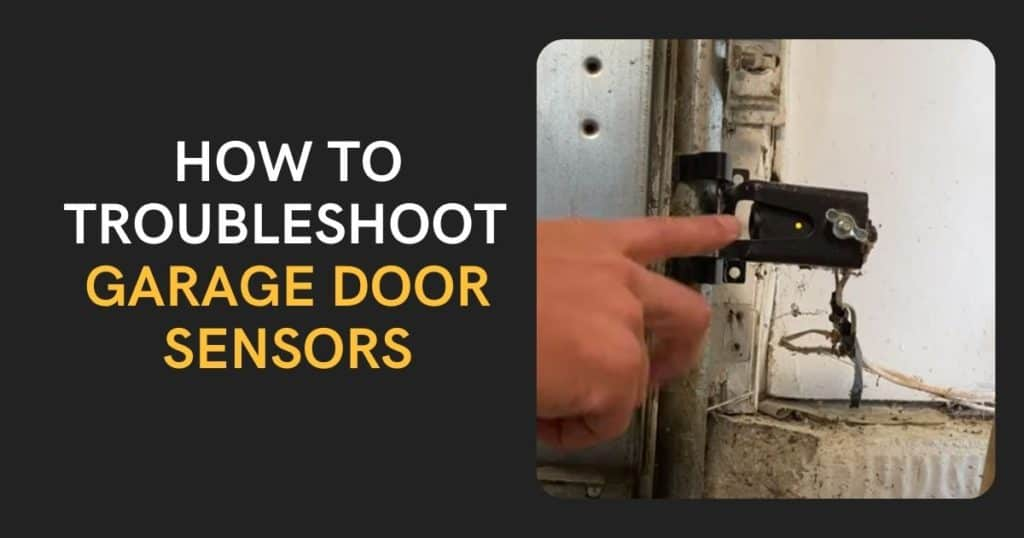
- Hire a licensed professional for opener alignment and safety sensor calibration.
For step-by-step advice and projects that are realistic for a homeowner, check our troubleshooting tips on the blog. If a safety-critical part needs work, call a pro — scheduling via our contact page ensures a local technician inspects the full system.
Maintenance Tips to Extend Parts Life
- Lubricate rollers, bearings, and springs annually with a garage-door-safe lubricant.
- Inspect seals and bottom weatherstrip each season — Woodinville rain accelerates wear.
- Test balance and opener safety-reverse every month to spot early issues.
- Keep the track clean and aligned; small dents cause premature wear on rollers.
Routine maintenance reduces the frequency of major parts replacement and can prevent a full premature garage door replacement. A local residential service with experience in our climate is the best way to schedule inspections and planned replacements.
Deciding What to Replace During a Garage Door Replacement
When you commit to garage door replacement, replace parts that improve safety and reduce repeat service calls: springs, cables, rollers, and the opener are top priorities. Upgrading seals and insulation pays off in a few years through energy savings and reduced wear.
If you’re unsure what to replace now versus later, a professional inspection in Woodinville will prioritize parts by risk and long-term value. For local advice or to schedule an inspection, visit our contact page.
Choosing the right combination of replacement parts during a garage door replacement project means balancing upfront cost against reliability and safety. With sensible choices, you reduce long-term expense and downtime.
Frequently Asked Questions
Q: How does Woodinville weather affect when I should replace garage door parts?
A: Damp, cool winters speed corrosion on metal parts and accelerate seal wear. Inspect springs, cables, and weatherstripping each fall — if springs are near their cycle rating or seals are cracked, replace them during your next garage door replacement to avoid winter failures.
Q: How long does a typical parts replacement take during a garage door replacement?
A: Most parts replacements (springs, cables, rollers, opener) can be completed in 2–4 hours for a standard residential door. Full door swaps or complicated track realignments may take a full day. Weekend scheduling is common in Woodinville.
Q: What price range should Woodinville homeowners expect for replacing major parts?
A: Expect $200–$500 for springs and cables, $350–$800 for a new opener, and $1,000–$3,500+ for a full door with parts and installation. Exact pricing depends on door size, insulation, and hardware upgrades.
Q: Are there warranty or permit considerations when replacing parts?
A: Many manufacturers offer limited warranties on springs and openers; check product docs before installation. Permits are rarely needed for standard residential part replacements in Woodinville, WA, but check local code for structural changes or electrical upgrades tied to an opener replacement.
Q: Can I delay replacing a worn part if the door still operates?
A: You can delay minor cosmetic parts, but avoid postponing spring, cable, or safety sensor replacement — these are failure and liability risks. Scheduling replacement during planned garage door replacement work reduces emergency callouts.
Helpful local resources in Woodinville, WA
- Garage Door Repair Seattle
- Garage Door Repair Bellevue
- Garage Door Repair Redmond
- Garage Door Repair Kirkland
- Garage Door Repair Mercer Island
- Garage Door Repair Edmonds
- Garage Door Repair Issaquah
- Garage Door Repair Tacoma
- Garage Door Repair Everett
- Garage Door Repair Bothell
- Garage Door Repair Sammamish
- Garage Door Repair Renton
- Garage Door Repair Lynnwood
- Garage Door Repair Woodinville
- Garage Door Repair University Place
- Garage Door Repair Gig Harbor
- Garage Door Repair Lakewood
- Garage Door Repair Puyallup
- Garage Door Repair Mukilteo
- Garage Door Repair Vancouver
- Garage Door Repair Kenmore
- Garage Door Repair Burien
- Garage Door Repair Auburn
- Garage Door Repair South Hill
- Garage Door Repair Yarrow Point
- Garage Door Repair Clyde Hill
- Garage Door Repair Port Townsend
- Garage Door Repair Duvall
- Garage Door Repair Snoqualmie